Lockhart accuses SES of paralysing NI’s agricultural planning process
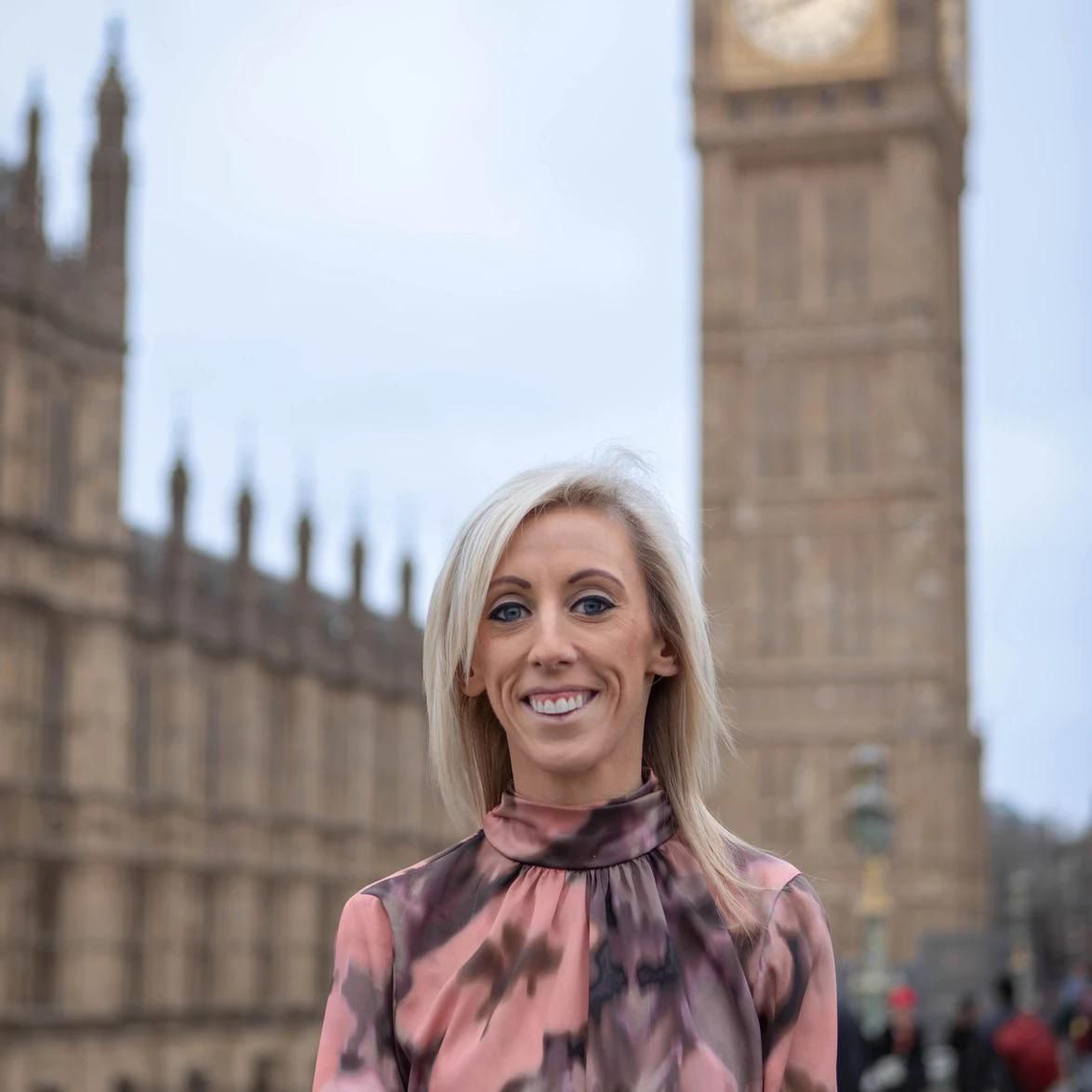
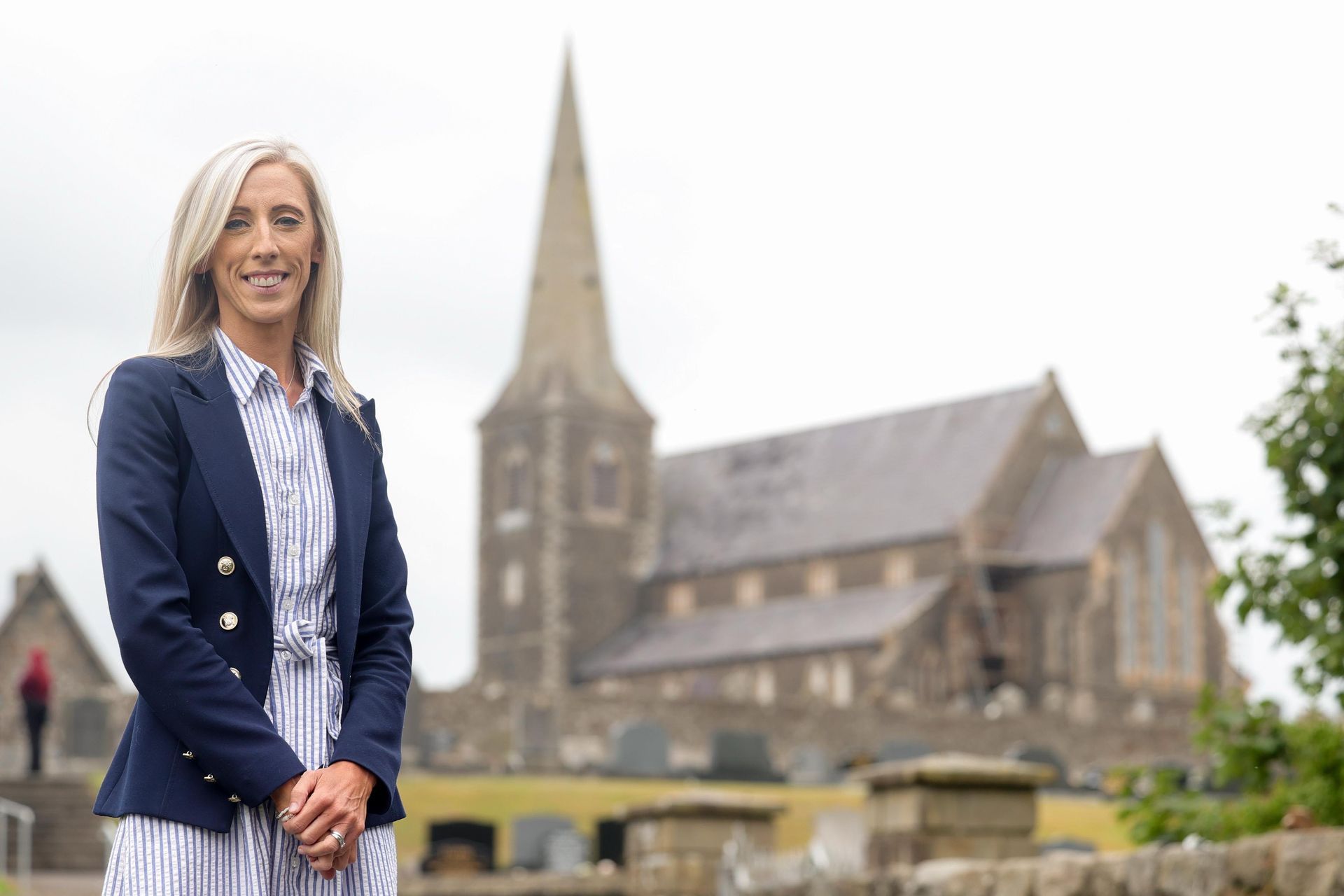
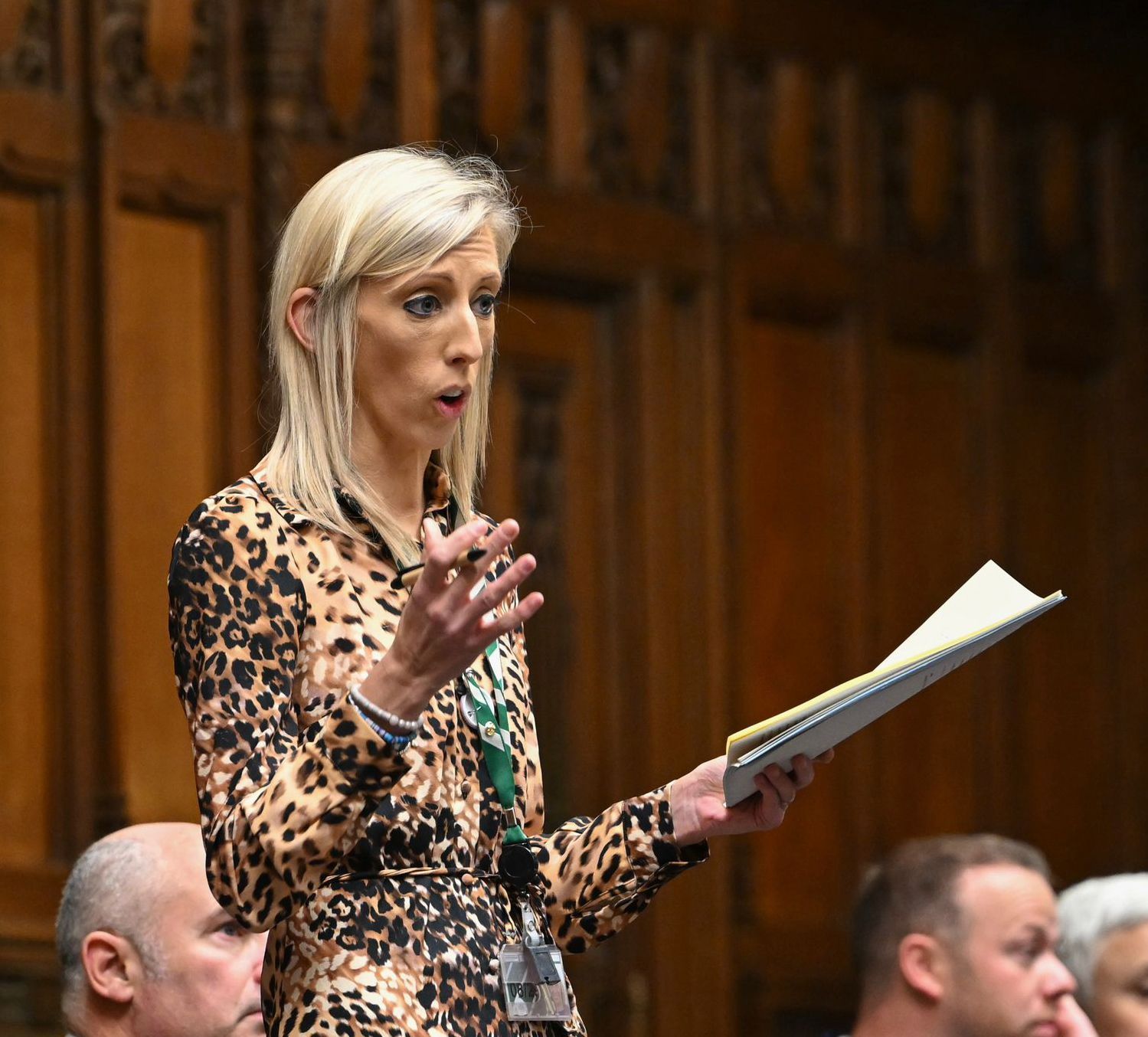
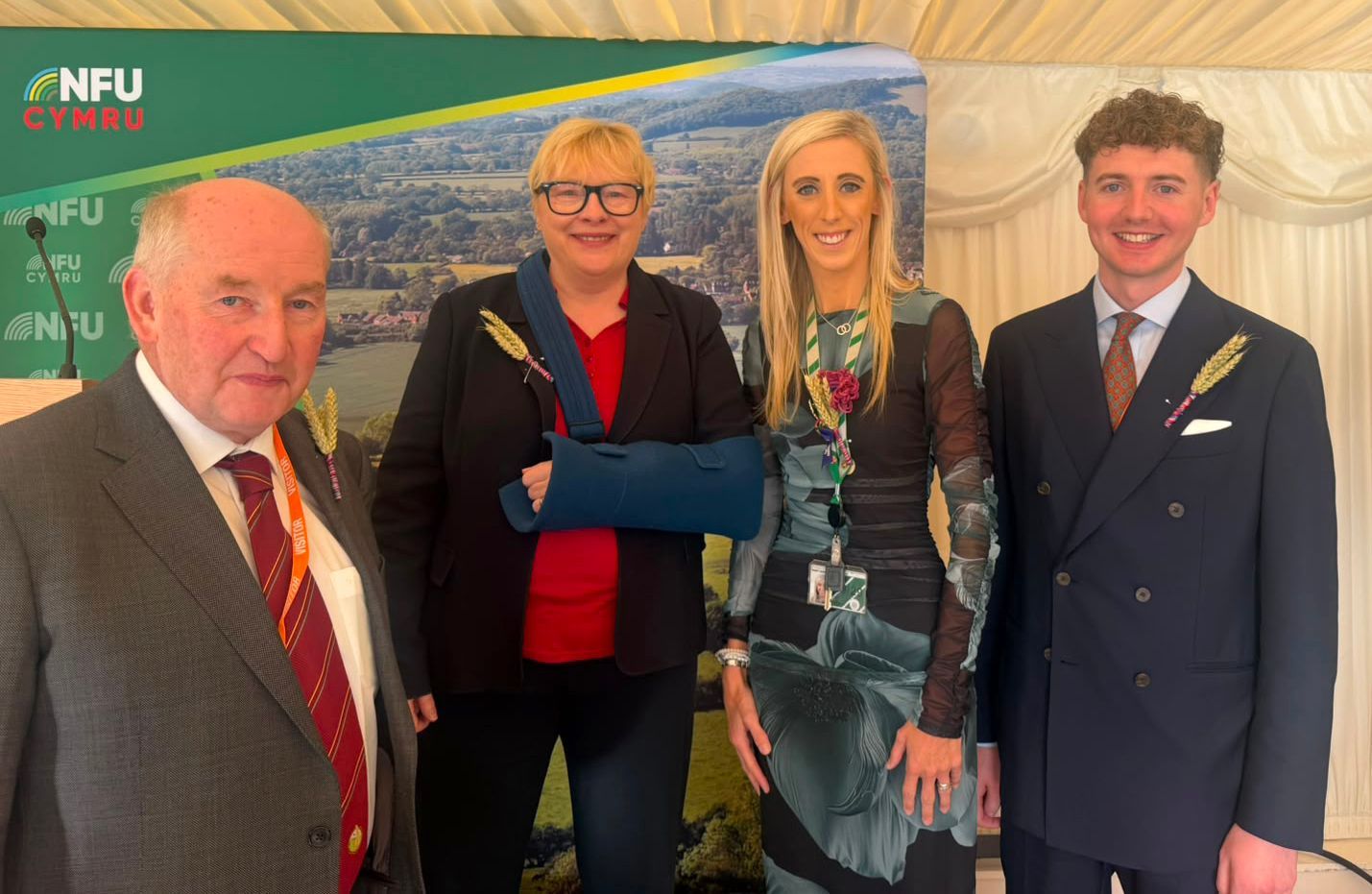
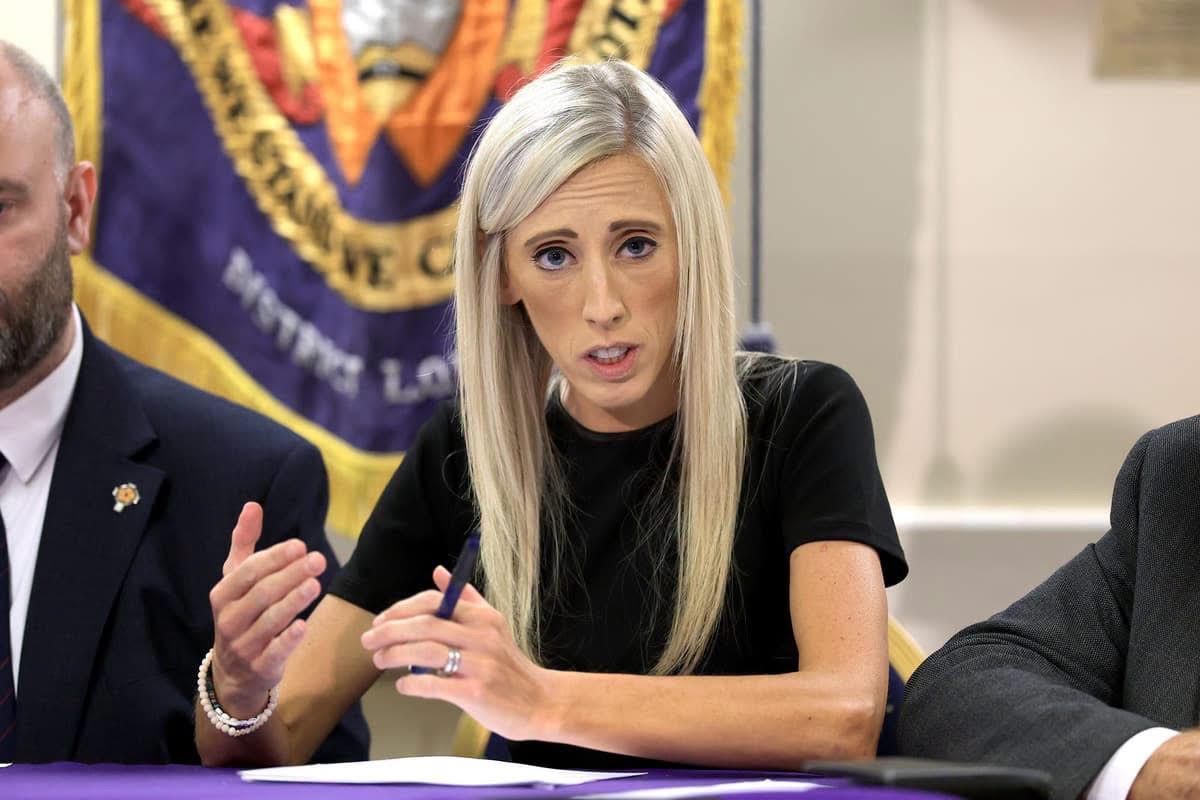
The DUP’s Westminster Agriculture spokesperson, Carla Lockhart MP, has accused Shared Environment Services (SES) of paralysing Northern Ireland’s planning system.
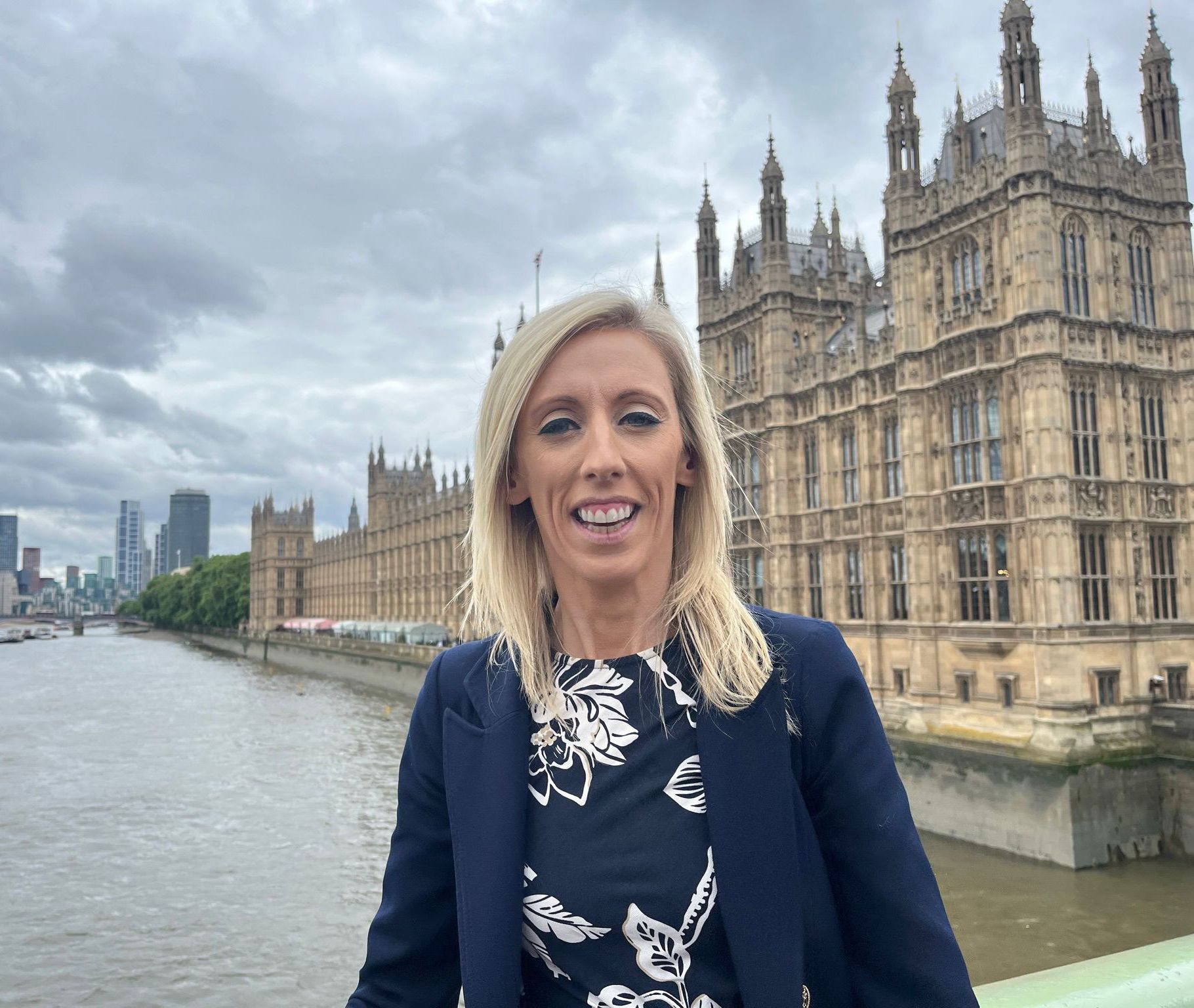
“Farmers are being left in planning purgatory by SES as a direct result of its failure to engage in a timely, transparent or constructive manner,” she said. “Long delays and a lack of co-operation, have inflicted serious financial burdens and mental pressure on farmers across the province.”
Established in 2015 and headquartered in Ballymena, SES was intended to streamline environmental planning following the transfer of centralised powers to local councils. “Instead, SES is a self-appointed ‘de facto gatekeeper’ in the planning system,” said Ms Lockhart. “It has become a bureaucratic choke point, stifling farm development and investment through excessive delays, duplication and ever-shifting goal posts.
“SES is a law unto itself, while farmers are being held to ransom. Farm businesses are prevented from expanding, modernising or improving, not because they have failed to meet regulations, but because SES cannot or will not do its job in a timely and efficient manner. There is no transparency, no accountability and no justification for these delays.”
The Upper Bann MP added: “The creation of Shared Environment Services (SES) has duplicated work previously carried out by the Northern Ireland Environment Agency (NIEA), adding layers of unnecessary bureaucracy and imposing increasingly restrictive interpretations of environmental regulations. This overarching approach is costing taxpayers dearly, while strangling rural economic growth. Modest farm upgrades are treated the same as large industrial developments.
“Despite wielding enormous influence over planning outcomes with profound economic and business consequences, SES operates with little visible governance or scrutiny. The organisation would appear to be funded by local councils and central government although it is difficult to ascertain who SES is accountable to.”
The MP continued: “Northern Ireland’s poultry sector has been disproportionately affected, with farmers forced to spend tens of thousands of pounds on consultants, air-quality modelling and compliance reports, only to see their applications stalled indefinitely with no clear timeline or explanation. Even after jumping through the laborious compliance hoops, there is no guarantee of approval, and applications have no appeal mechanism against SES advice.”
“I have been involved with a large number of family farm businesses, mainly poultry house applications, impacted by the long drawn out decision making process conducted by SES. In some instances, they are even requesting applicants who have already secured approval for the disposal of hen litter in the Republic of Ireland to do air test modelling, a different jurisdiction, at immense cost and something which is not currently carried out in the south. Repeated meeting requests have been refused, and there appears to be very little action to help resolve the problems.”
According to Carla Lockhart, the damage goes far beyond the balance sheets. “This process is taking a serious toll on farmers’ mental health.
These are family businesses that have played by the rules, complied with every demand, and yet are being punished by an unaccountable quango that appears incapable of delivering,” she said.
“Meanwhile, farm buildings aren’t fit for purpose, sustainability-driven upgrades are stalled, capital investment grants are frozen and banks are losing confidence due to planning uncertainty.”
The MP warned that confidence in the planning system has collapsed across Northern Ireland’s farming community, with growing anger and despair among farmers who see no prospect of timely or fair decision-making under the current SES-dominated process.
She is calling for urgent intervention from the Stormont Assembly to restore accountability, eliminate duplication and ensure environmental protection is delivered without destroying livelihoods.
Concluding, Carla Lockhart MP said: “The system is broken. Meaningful reforms are needed to build trust and provide support for rural development, which will enable farmers to enhance efficiency, replace outdated infrastructure, improve animal welfare and contribute to environmental obligations.”
Share