NI planning system preventing producers from capitalising on growing demand for eggs
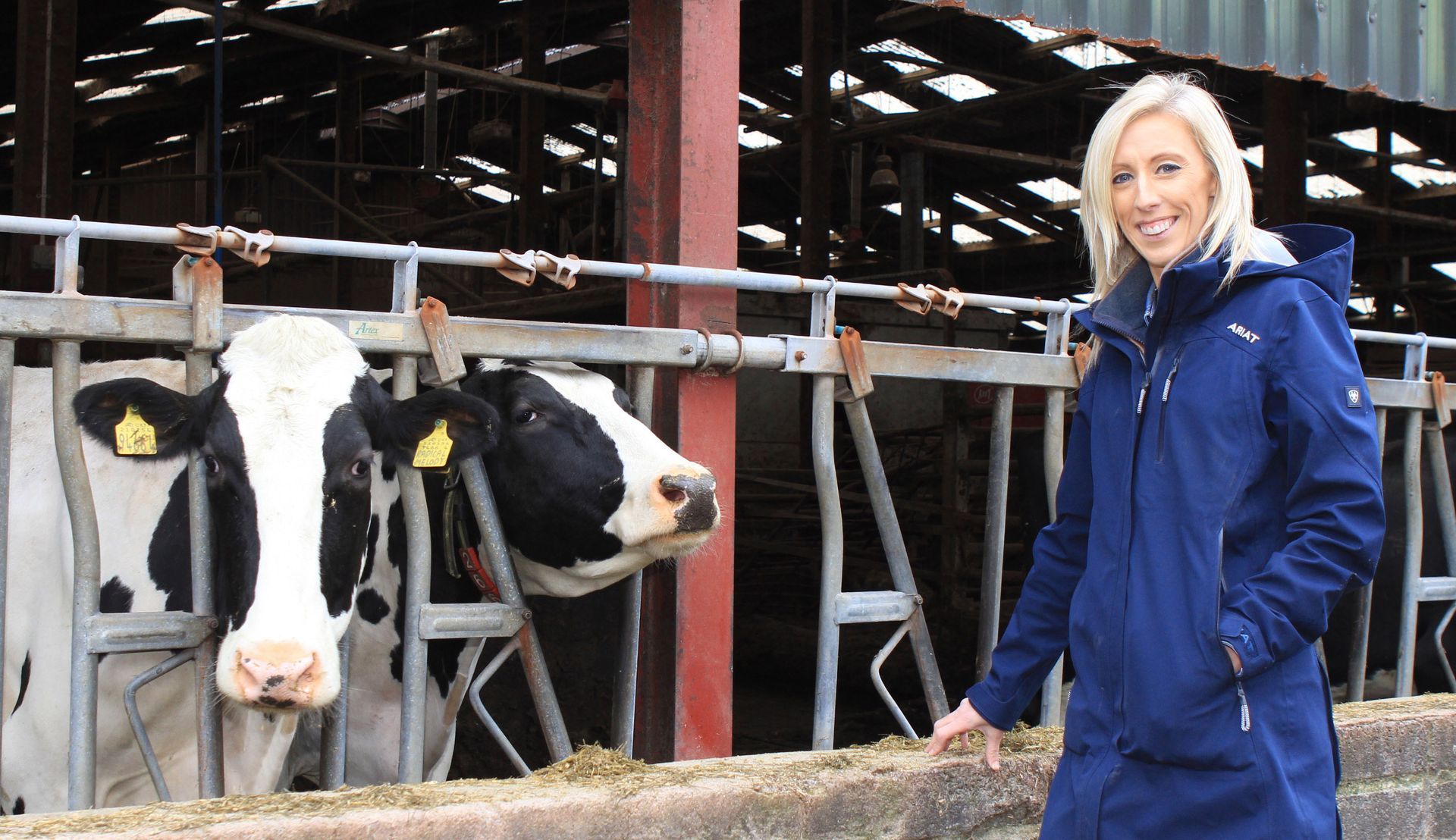
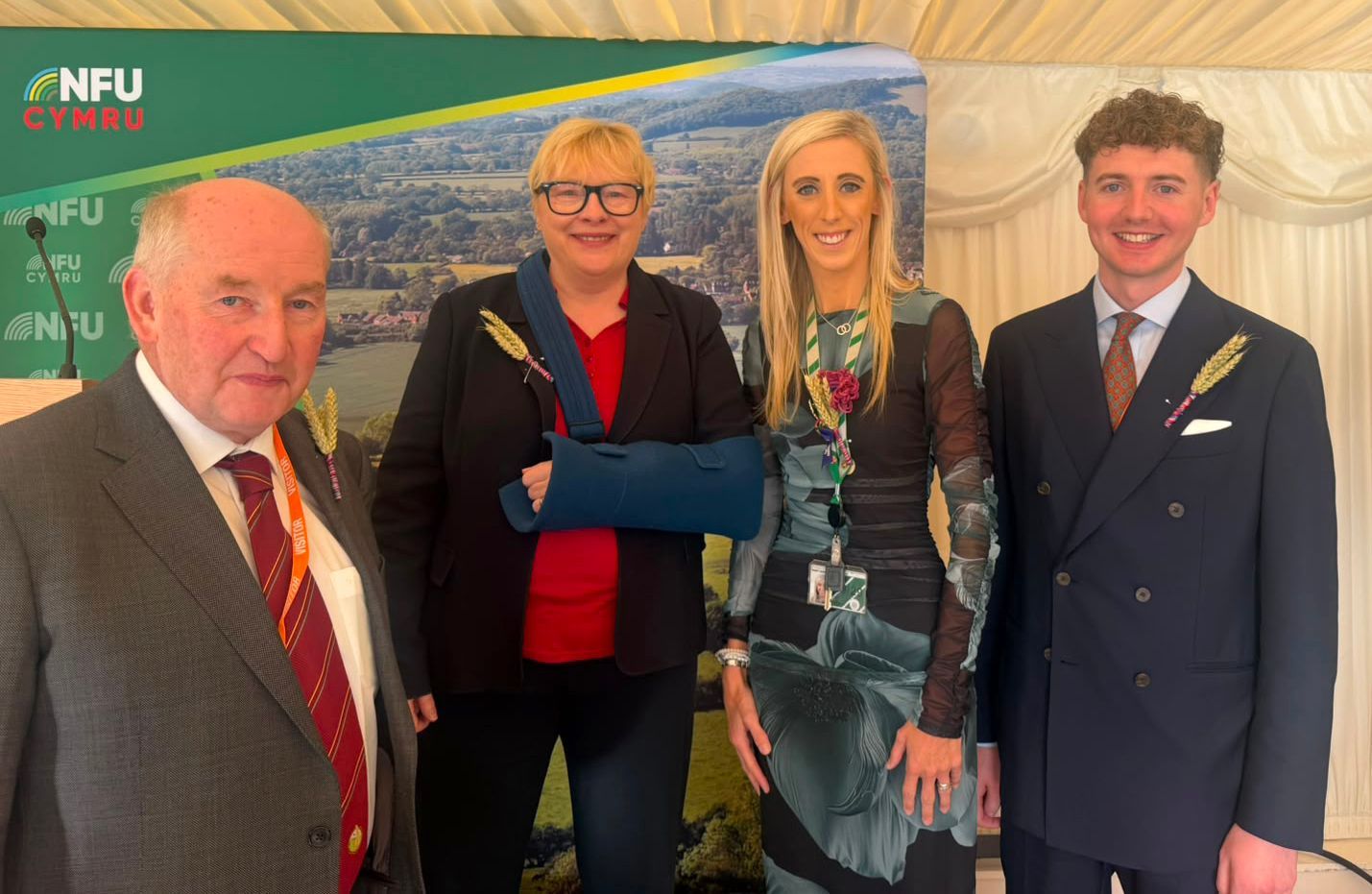
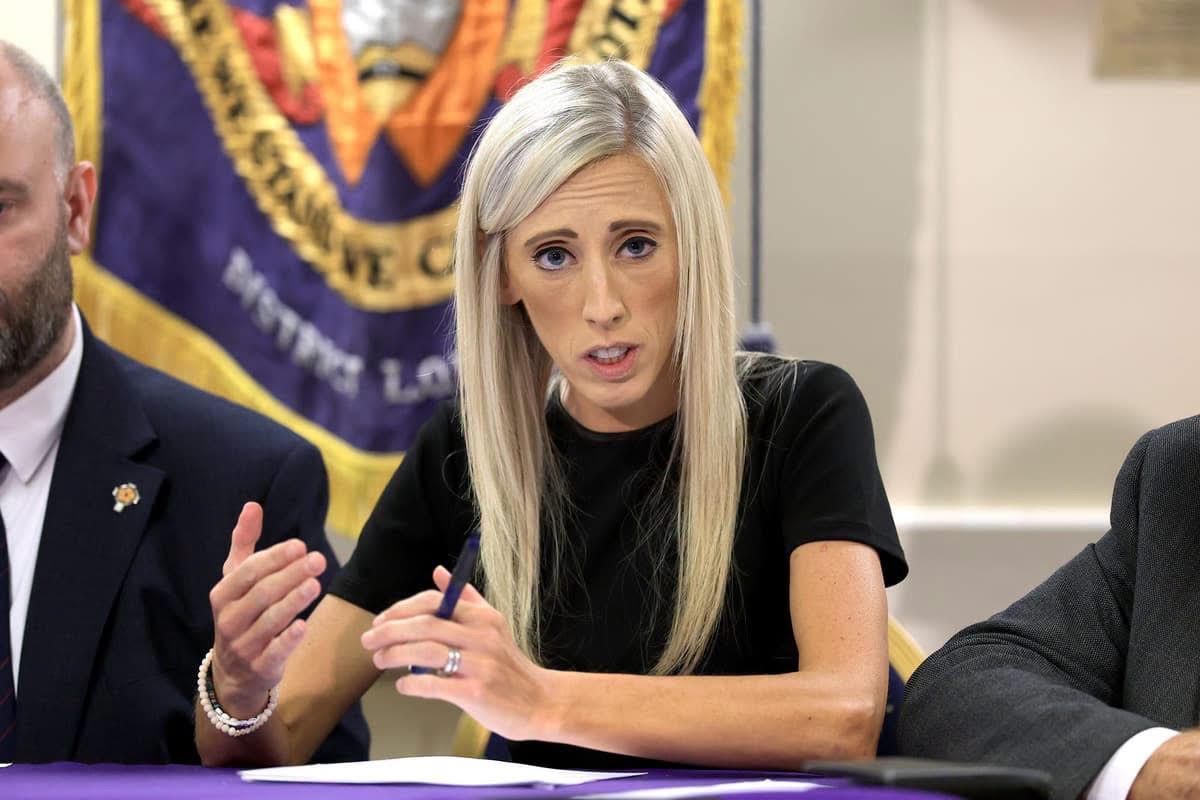
Upper Bann MP Carla Lockhart has welcomed confirmation of a sharp rise in egg consumption across the UK, but warned that Northern Ireland’s dysfunctional planning system is preventing local producers from capitalising on this growing demand.

Referring to the recent Breakfast Smarter Study, the MP highlighted that egg consumption has increased by 27% over the past two decades, with approximately 39.6 million eggs consumed on a daily across the UK.
She said: “This long-term upward trend has helped drive significant growth in retail sales, as consumers are turning to the humble egg as an affordable, versatile, and nutrient-dense staple of their daily diet.
“According to the report, the sales surge has been particularly notable among younger consumers, reflecting health trends in protein-rich and whole-food diets. Rich in vitamins and essential nutrients, there is also emerging research that suggests regular egg consumption may be linked to a reduced risk of dementia and cognitive impairment in later life.”
However, the DUP Agriculture spokesperson expressed serious concern that poultry enterprises in Northern Ireland are being prevented from responding to this demand due to persistent planning delays.
“Earlier this year I highlighted that local farmers are being left in planning purgatory by Shared Environmental Services (SES) as a direct result of its failure to engage in a timely, transparent or constructive manner,” she said. “Long delays and a lack of co-operation continue to inflict financial burdens and mental pressure on farmers across the province.”
Established in 2015 and headquartered in Ballymena, Shared Environmental Services (SES) was intended to streamline environmental planning following the transfer of powers to local councils.
Ms Lockhart argues the body has instead become a major obstacle. “SES is a bureaucratic choke point, stifling farm development and investment through excessive delays, unnecessary duplication and ever-shifting goal posts.
“Farmers are being held to ransom. Farm businesses are prevented from expanding, modernising or improving—not because they have failed to meet regulations, but because SES isn’t responding in a timely and efficient manner. There is no transparency, no accountability and no justification for these delays.”
The MP added that the creation of SES has duplicated work previously carried out by the Northern Ireland Environment Agency (NIEA), adding unnecessary bureaucracy and imposing increasingly restrictive interpretations of environmental rules.
“This overarching approach is costing taxpayers dearly while strangling rural economic growth,” she said. “Modest farm upgrades are being treated the same as large industrial developments.
“Despite wielding enormous influence over planning outcomes with profound economic consequences, SES operates with little visible governance or scrutiny. It appears to be funded by both local councils and central government, yet it is unclear who it is ultimately accountable to.”
Ms Lockhart highlighted the disproportionate impact on Northern Ireland’s poultry sector, where producers are already facing significant challenges from avian flu and rising energy costs.
She added: “A 65% surge in egg imports from Poland and Ukraine, is also threatening the viability of the UK egg industry, especially as they are produced to lower welfare standards and are under cutting farmers, and undermining consumer confidence and food safety.”
Carla Lockhart MP stressed that these barriers come at a time when demand for eggs is surging.
“This is a critical moment for our local poultry sector,” she said. “Demand is rising, and farmers are ready to invest and expand to meet that demand. Yet they are being blocked at every turn by a dysfunctional planning process.
“If we are serious about supporting local food production, rural livelihoods and economic growth, then urgent reform of SES and the wider planning system is essential.”
Share